Checkout
Shopping Cart
0 Item - £0.00
Part-on Tools Blog
7 August 2014
Rivet guns are one of the most popular tools found in industry today with a wide range of shapes, sizes and styles available. Most are available as hand-operated, air-operated or battery-operated tools and knowing which you need for your business should be a realistically straightforward option.
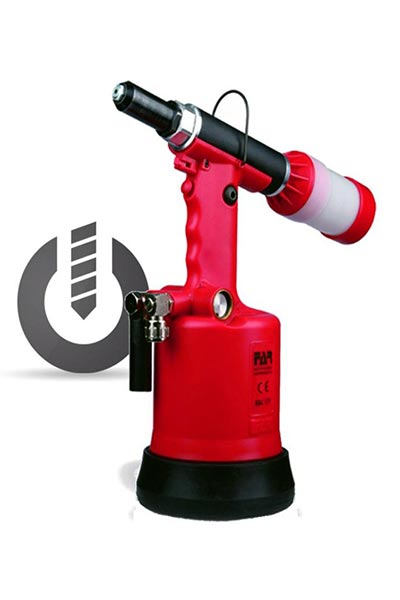 Traditional nail type rivets are fairly simple fixings. There are two parts that make up a nail rivet. A nail-like pin (made from a variety of materials) and a body normally made from a more pliable metal.
Setting a rivet is made by simply squeezing the head of the rover against a panel whilst the nail part of the rivet is pulled through, squeezing the body, this flattens it against the panel. When the rivet pin reaches the correct pre-determined area, the pin should snap flush with the head of the rivet to leave a secure fixing.
The choice of which type of rivet gun you use for this process is normally based on the volume of rivets you are setting, along with the location you are working in. As an example, if you’re working in a location off site with no access to air, a battery operated riveter or hand operated rivet tool can provide a satisfactory option for small volume installation or service requirements.
Alternatively, in a factory environment where large volumes of rivets are being set a pneumatic rivet tool would offer a faster, more efficient option allowing speedy installation together with repeatability of setting.
The use of a rivet tool is straightforward. No specialist operator training is needed. Place your rivet into the pre-drilled hole of the material you need to rivet, insert the nail into the rivet gun fully and set. A hand tool may need the levers squeezed a couple of times to set the rivet completely. If the pin fails to break, pull again to finish riveting.
If you’re using a pneumatic rivet tool, check the rivet tool is set for the correct size rivets you are looking to set, connect to an air line with the appropriate air supply and confirm that the rivet jaws are the size required for the rivet you are using. From there, it’s simply a question of pushing the rivet into the gun, offering up to your application and firing the rivet tool to set. Most rivet tools cycle through and feature a mandrel collector. Once cycled through, you’re ready to go with your next rivet installation.
For more information on rivet guns whether it’s a simple hand plier type hand tools or a pneumatic rivet tool you’re looking for, why not contact us and we’ll talk through the options.


BLACK FRIDAY WEEK IS ALMOST HERE! Unlock Premium Tool Deals
(Nov 24 – Dec 1) Utilise Our Promo Codes For Special Discounts!
Read More
FAR Rivet Nut Tool Comparison: KJ45/S vs. KJ46 vs. KJ47 Setting Methods
Manual, Hybrid, or Automatic? Matching Your Production Line to the Right FAR Rivet Nut Tool
Read More

Part-On Gears Up for Growth
Q3/Q4 Initiatives Drive Quality, Innovation, and Team Expansion
Read More
Pneumatic vs. Cordless Battery Riveters for Modern Manufacturing
Which option is best suited for your application and production requirements?
Read More

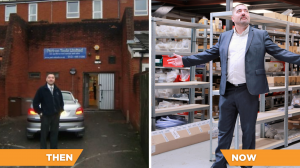

Repair, Don't Replace
Your Impact Starts Here: Choose Repair, Don't Replace. What Kind of World Do You Want?
Read More
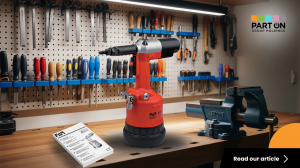

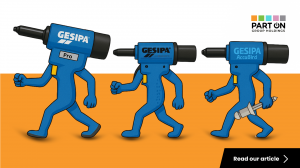

The Balancing Act Of Business Ownership and Motherhood.
Meet Marie, our managing director. A mother, a business owner... a superhero!
Read More


Black Friday November 2023 | Deals You Dont Want To Miss!
Mega Deals Available For Applicable Orders Received By 30th November 2023!
Read More

What are the advantages of using aluminum profiles in construction or manufacturing?
The Advantages of Using Aluminium Profiles in Construction and Manufacturing
Read More

What is a rivet and how do they work?
Exploring the Versatility of Blind Rivets: How They Work and Why They're Essential.
Read More
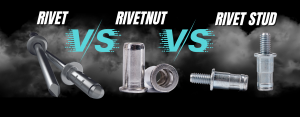
Learn The Difference | Rivets, Rivet Nuts & Rivet Stud's |
What Is The Difference Between, Rivets, Rivet Nuts and Rivet Stud's? | Learn Today | Industrial Fastening Knowledge
Read More

Part-On in support of Birmingham Hospice
Part-On will be donating 1% of net profits for all website orders received starting from Jan 2023!
Read More

Halloween 2022 - 7 DAYS OF OFFERS
Spooky deals this Halloween season, Don't miss out of Part-On's 7 days of offers!
Read More
