Checkout
Shopping Cart
0 Item - £0.00
Part-on Tools Blog
7 October 2025
In the world of assembly and fabrication, choosing the right riveting tool can significantly impact efficiency, quality, and your bottom line. While pneumatic riveters have long been the industry standard, the rapid advancement of cordless battery technology is presenting a powerful new contender. For businesses setting both standard and structural rivets, understanding the pros and cons of each system is crucial.
The Reign of Pneumatic Riveters: Uninterrupted Power
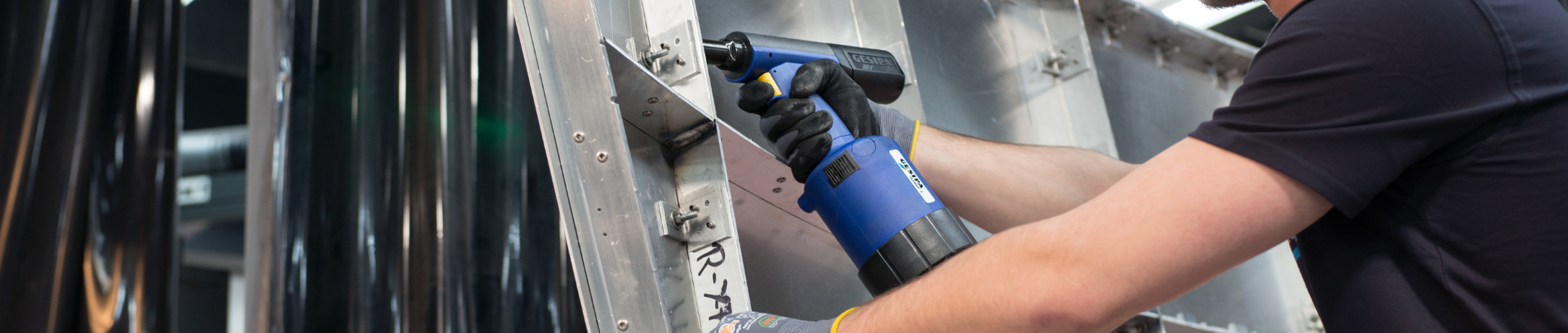
For decades, pneumatic riveters have been the workhorse of many production lines. Their advantages are clear:
-
Consistent, High Power: Powered by compressed air, pneumatic tools deliver relentless and consistent pulling force, making them ideal for high-volume applications and critical for setting larger, tougher structural rivets (e.g., Monobolts, Tamp, Orlock, Magnagrip, Avinox, Hemlok, G-Bulb, Mega Grip and many more).
-
Durability & Longevity: With fewer electronic components, pneumatic tools are often seen as robust and durable, capable of withstanding harsh industrial environments.
-
Lighter Tool Weight: The tool itself is typically lighter than its battery-powered counterpart, as the power source (compressor) is external.
Where Pneumatic Shines: Think large-scale automotive assembly, continuous aerospace fabrication, or heavy-duty construction where tools are often fixed at a workstation and require non-stop operation.
Suggested Tooling Examples:
Brands like FAR and Gesipa offer a robust range of pneumatic tools.
-
FAR RAC171 / RAC172: A versatile pneumatic tool suitable for a wide range of standard and structural blind rivets.
-
Gesipa Taurus Series: Known for its power and reliability, the Taurus series (e.g., Taurus 2, Taurus 3, Taurus 4 for heavier structural rivets) is a go-to for many industrial applications, including those demanding serious structural rivet setting capability.
However, the pneumatic system comes with its own set of considerations:
-
Infrastructure Costs: Requires an air compressor, air lines, filters, and regulators – a significant upfront and ongoing energy investment.
-
Limited Mobility: Hoses can restrict movement, create trip hazards, and limit flexibility on dynamic production floors or mobile job sites.
-
Maintenance: Air systems require regular maintenance to prevent leaks and ensure optimal performance.
The Rise of Cordless Battery Riveters: Freedom and Efficiency
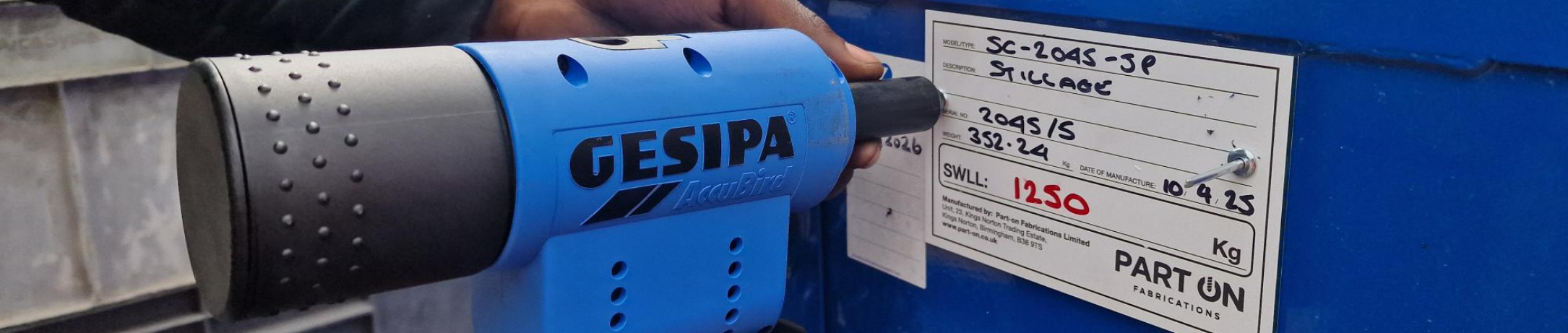
The new generation of cordless battery riveters has transformed expectations, particularly for structural rivet applications that once exclusively belonged to pneumatic tools.
-
Unmatched Mobility: Freedom from hoses and power cords means true portability, enabling workers to move freely across large work areas, into tight spaces, or between multiple workstations. This is invaluable for field service, repair, and flexible manufacturing cells.
-
Reduced Operational Costs: Eliminates the need for expensive compressed air infrastructure and the associated energy consumption and maintenance.
-
Fast & Powerful: Modern 18V or 20V brushless battery riveters are engineered to deliver impressive pulling forces, easily handling standard rivets and increasingly capable of setting structural rivets up to 6.4mm (1/4 inch) in various materials, including steel and stainless steel.
-
Enhanced Ergonomics: Often designed for balance and comfort, reducing operator fatigue during extended use.
-
Quick Setup: Minimal setup time allows for rapid deployment and immediate productivity.
Where Cordless Battery Shines: Ideal for prototyping, smaller to medium production runs, multi-station assembly, construction sites, automotive repair, marine fabrication, or any application where mobility and quick deployment are key.
Suggested Tooling Examples:
-
Qonnect R64XL: Cordless tool offering robust performance for standard and structural rivets.
-
Gesipa AccuBird / PowerBird / PowerBird Pro: Gesipa's battery-powered lineup is particularly strong. The PowerBird Pro is a standout, specifically designed and rated to set even the most demanding structural blind rivets up to 6.4mm (1/4 inch) with ease, offering power comparable to many pneumatic tools but with total freedom.
However, the cordless system also comes with its own set of considerations:
-
Tool Weight and Fatigue: While ergonomically designed, the battery pack adds significant weight compared to the pneumatic tool head, which can lead to fatigue over long, continuous use periods.
-
Battery Management: Requires charging infrastructure and diligent battery management. Downtime can occur if spare batteries are not charged or readily available, unlike pneumatic tools which run as long as the compressor runs.
-
Higher Initial Cost: The upfront purchase price for a high-performance battery tool (and spare batteries) is typically higher than the purchase price of a pneumatic tool.
-
Environmental/Recycling: Lithium-ion batteries have a limited lifespan and present a disposal and recycling challenge that air-powered tools do not.
Making the Right Choice
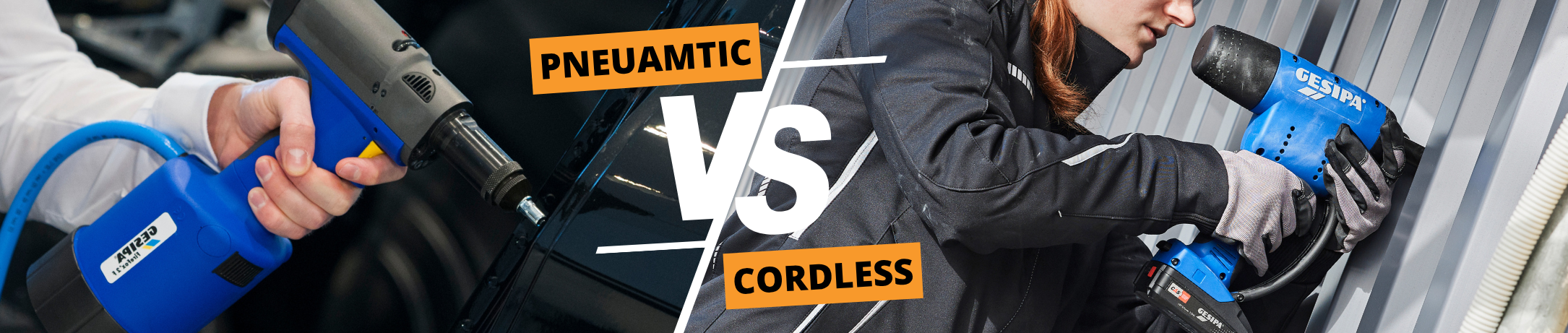
When deciding between pneumatic and cordless battery, consider these factors:
-
Rivet Type & Size: For high volumes rivets, pneumatic might still hold an edge on speed. For structural rivets, both systems offer powerful solutions, but battery tools now provide compelling alternatives.
-
Production Volume & Environment: High-volume, fixed-position lines might favour pneumatic. Flexible, mobile, or medium-volume production environments are increasingly suited to battery tools.
-
Infrastructure & Budget: If you have existing, well-maintained air infrastructure, pneumatic is an easier plug-and-play. If starting fresh or looking to cut energy costs, battery tools offer a strong ROI.
-
Operator Mobility & Ergonomics: If workers need to move frequently or work in varied positions, cordless offers superior freedom and often better ergonomics.
The Verdict:
While pneumatic tools will always have their place, the gap in power and performance, especially for structural rivets, between the two technologies is rapidly closing. For many modern manufacturing and assembly operations, cordless battery riveters now offer a compelling blend of power, precision, and unparalleled mobility, making them a smart investment for enhancing productivity and flexibility. The future of riveting is increasingly cordless.

BLACK FRIDAY WEEK IS ALMOST HERE! Unlock Premium Tool Deals
(Nov 24 – Dec 1) Utilise Our Promo Codes For Special Discounts!
Read More
FAR Rivet Nut Tool Comparison: KJ45/S vs. KJ46 vs. KJ47 Setting Methods
Manual, Hybrid, or Automatic? Matching Your Production Line to the Right FAR Rivet Nut Tool
Read More

Part-On Gears Up for Growth
Q3/Q4 Initiatives Drive Quality, Innovation, and Team Expansion
Read More




Repair, Don't Replace
Your Impact Starts Here: Choose Repair, Don't Replace. What Kind of World Do You Want?
Read More


The Balancing Act Of Business Ownership and Motherhood.
Meet Marie, our managing director. A mother, a business owner... a superhero!
Read More


Black Friday November 2023 | Deals You Dont Want To Miss!
Mega Deals Available For Applicable Orders Received By 30th November 2023!
Read More

What are the advantages of using aluminum profiles in construction or manufacturing?
The Advantages of Using Aluminium Profiles in Construction and Manufacturing
Read More

What is a rivet and how do they work?
Exploring the Versatility of Blind Rivets: How They Work and Why They're Essential.
Read More
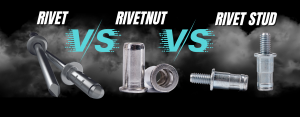
Learn The Difference | Rivets, Rivet Nuts & Rivet Stud's |
What Is The Difference Between, Rivets, Rivet Nuts and Rivet Stud's? | Learn Today | Industrial Fastening Knowledge
Read More

Part-On in support of Birmingham Hospice
Part-On will be donating 1% of net profits for all website orders received starting from Jan 2023!
Read More

Halloween 2022 - 7 DAYS OF OFFERS
Spooky deals this Halloween season, Don't miss out of Part-On's 7 days of offers!
Read More